Soon after the founding of the Kroc Institute, we unexpectedly found ourselves observer-participants in emerging debates in New York, Washington, and beyond around the use of economic sanctions for peace. The United Nations Security Council had just imposed...
October 2026
Mismanaging Carrots and Sticks with Iran: The JCPOA vs. Ongoing War
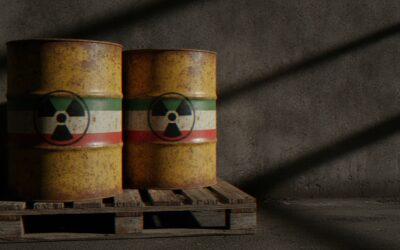
Striking the right balance of carrots and sticks, with intensive diplomacy, is critical for economic sanctions to work. Shifting U.S. engagement toward Iran illuminates this point. The Joint Comprehensive Plan of Action (JCPOA) represented a successful case in this...
Can Sanctions Disrupt the Corruption-Conflict Nexus?
Corruption is a major factor in why violent conflicts are proliferating worldwide and proving so hard to end. For the first 20 years of this century, Afghanistan served as an important case in point. External investment in the country was siphoned off by corrupt state...
Sanctions Can Stop Human Rights Abusers When Used Correctly
The Sentry, the organization I lead, advocates for the use of targeted network sanctions to pressure those who engage in—or enable—the world’s worst atrocities. Some critics argue that sanctions are overused, and as a general matter, I agree. The Trump administration...
Reckoning with the Full Costs of Economic Sanctions: Enduring Issues of Legality, Legitimacy, and Accountability
In recent decades, a paradigm emerged for studying economic sanctions, within which scholars and policymakers sought to address a set of recurring questions: How can sanctions be more effective? Specifically, what might be done so that those targeted by sanctions are...
The Imperative to Regulate and Limit Economic Warfare
Economic sanctions have become one of the most prevalent tools of international affairs and modern statecraft, yet norms and regulations for how sanctions are used have not kept pace. The popularity of the measures stems from their perception as an intermediate tool...