



The End of Peacekeeping: Reclaiming Intersectional and Anti-Militarist Praxis
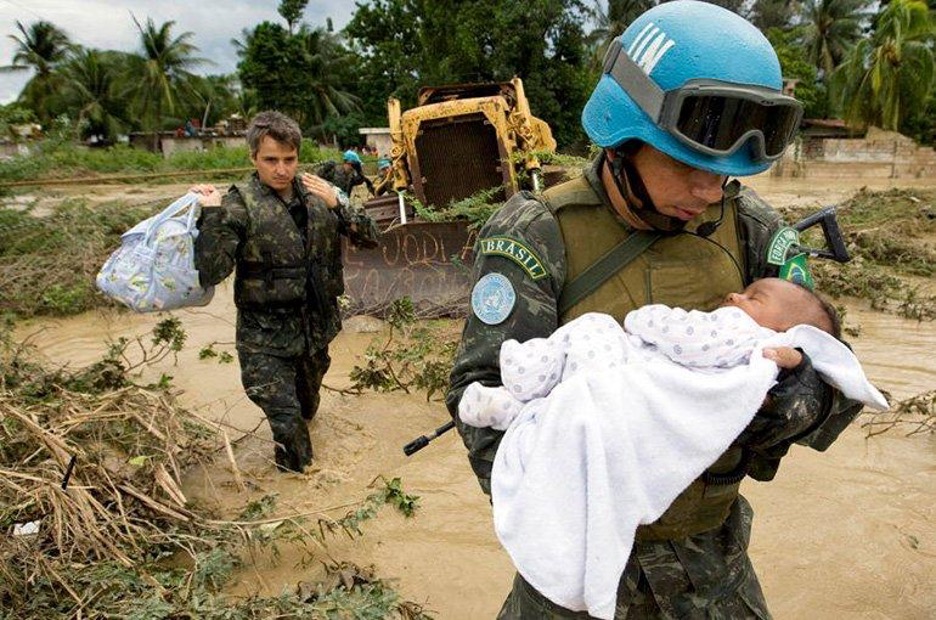
In the End of Peacekeeping (Penn Press 2024), I argue that the foundational thinking and practices of United Nations (UN) are patriarchal, colonial and martial and that as a result, abolishing peacekeeping is the only way forward. The book proposes that peacekeeping...
At the Intersection of Conflicts: Taking Values Seriously
Quite literally, values determine ‘what is worth fighting for.’ When fighting entails a willingness to kill and/or be killed, we must take codes of valuation seriously. My essay explores how dominant value codes – and the emotional investments and power relations they...
Peacebuilding and Art: Towards an Embodied Dramaturgy of Care
Building peace through theatre is not easy, and its effects are neither immediately nor readily evident.
When Photography Goes Peacebuilding
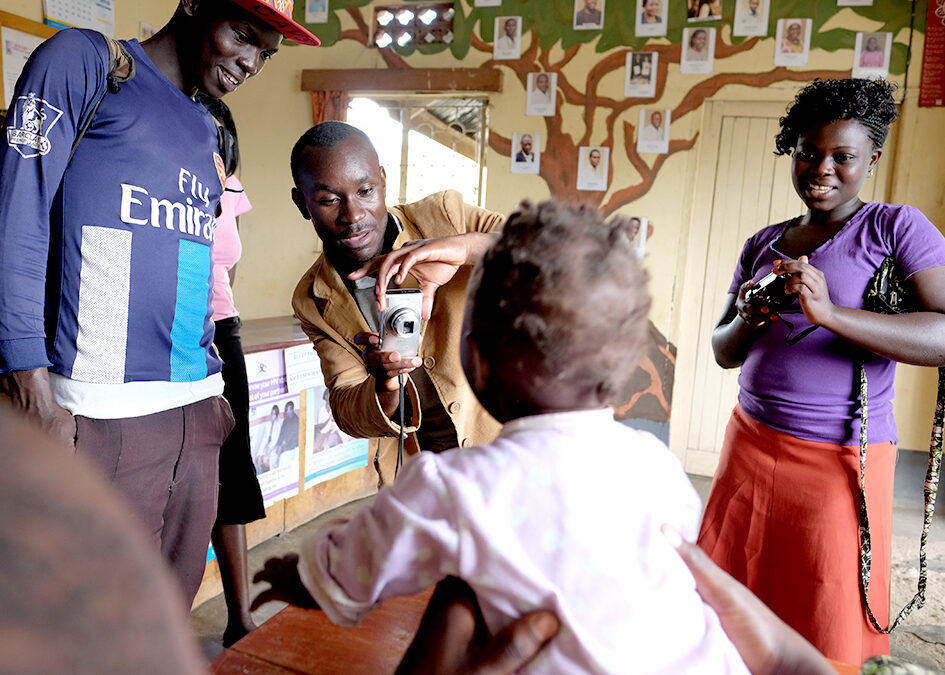
The use, development and ambivalences of photography are widely debated, especially considering the digital revolution.

Machi/Nations of Indigenous Peace & Poetry: The Wolves We Feed
ᏅᏩᏙᎯᏯᏓ. Nvwadohiyada. What is peace, and what does it have to do with poetry?

Dancestorming Decolonial Possibilities in Peacebuilding
“Considering your own location in colonial systems, as well as in the web of relationships, what next step can you and your organization take to nurture decolonial possibilities?”

Cities at the Crossroads: Spaces of Conflict for Combatants or Spaces of Cohesion for Communities?
Cities have been targeted since time immemorial, evidenced by the plunder and pillage of ancient cities such as Carthage—one of the most powerful trading and commercial centers from 650 B.C.E. to 146 B.C.E.—that was razed to ground by Roman military forces.

War in Cities: The Foreseeable Loss of the Mundane and the Magical
In responding to the catastrophic humanitarian consequences of war in cities, it is crucial to pay attention to every individual death, injury, and incident of destruction and also to indirect harm to the collective population and its shared spaces—to the very fabric of the city.

Bringing Peace to the Ruins of War: Post-War Urban Reconstruction
The city as a unit is the expression of a sum greater than its parts: homes, centers of community and culture, roads to work and school, infrastructure and architecture, and the people living there; it is both political and politicized.


